

As the largest brand-neutral managed print provider in the nation, we are often asked, “If I decide to implement managed print services (MPS), would I have to replace my entire printer inventory?” This is a common misconception. We hope the information in this article will put your mind at ease.

In today’s competitive environment, controlling overheads is not just an option; it’s a necessity. Among these, printing costs often go unchecked, silently draining resources that could be better allocated elsewhere. It’s a common oversight, yet one with a substantial impact on your bottom line. What’s worse, a company’s print operation is often full of hidden expenses – from rogue spending for renewables at department level to under-reported purchases of printing devices – which can also create security threats if not properly supervised by IT.
Staying up-to-date on technological advances isn’t just important, it’s the cornerstone to keeping your company efficient and secure. Yet, many organizations allow their printer fleets to become antiquated, a decision—or lack of one—that can compromise their workflows and integrity. What’s worse, it can impact their cashflow as well. Understanding the flawed logic behind this oversight can give us insight into the benefits of updating your printer fleet. Spoiler alert: It’s worth it.
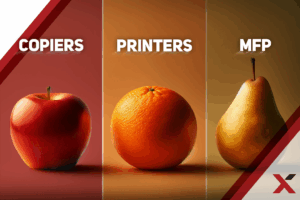
How Do I Choose The Right Device for Each Office?
One question we hear frequently in our conversations with clients is, “how do we choose the right print device for each office?” In these conversations, we often find ourselves describing the differences between copiers, printers, and MFPs (multifunction printers). By being the largest privately-owned managed print service provider, we have the advantage that we’re brand neutral – so we can offer each organization the right option for each of their business locations.
As the largest privately-owned managed print service provider, we have the flexibility of servicing any brand of production printer. Because of this, prospective customers feel comfortable turning to us when searching for the top digital production printer for their needs. They might ask, “what’s the best production printer manufacturer?” or “what’s your favorite production printing machine?”
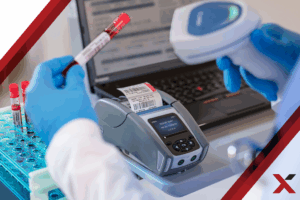
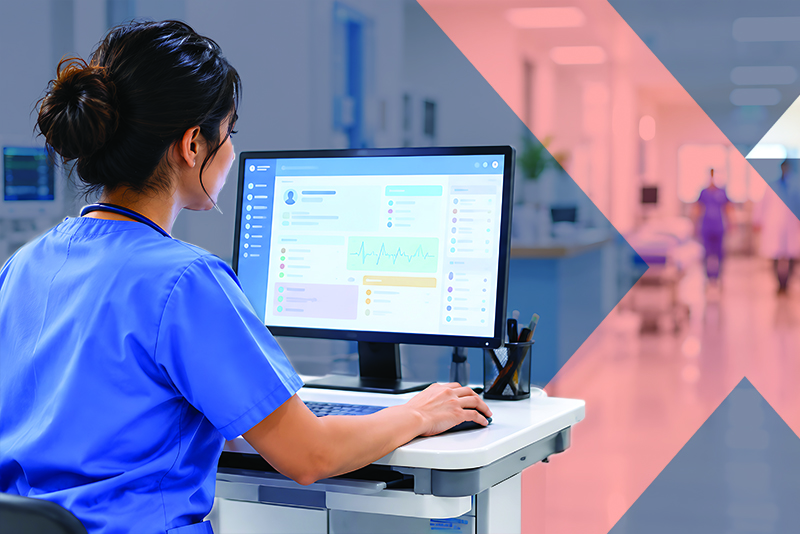
When integrating Zebra printers with EPIC systems in healthcare facilities, you are likely to come upon various challenges that could disrupt operations and affect efficiency. Understanding these challenges in detail and implementing effective solutions can ensure smooth functioning and optimal use of technology in critical healthcare environments. This article outlines the common issues you may run into – and provides practical solutions to each.
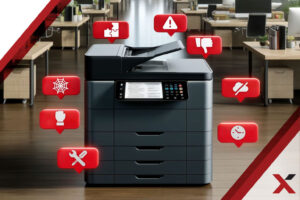
There are many reasons why a business may find itself with an outdated printer inventory. Maybe leadership may have been avoiding technology investments. Your organization may have inherited a printer fleet through an acquisition or a merger. Regardless of the reason, an outdated printer fleet can be a significant barrier to efficiency, security, and sustainability.
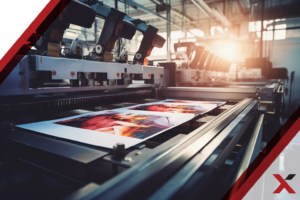
Digital production printers have brought a transformative era in printing technology. These high-speed, high-volume printers, also known as commercial-grade digital presses, are true printing powerhouses – combining unprecedented speed and volume with unparalleled precision and efficiency.

The stakes are incredibly high. Ensuring HIPAA compliance in the printing and copying operations of hospitals and healthcare organizations is no small feat. The Health Insurance Portability and Accountability Act (HIPAA) setting a high bar for the protection of sensitive patient information, and penalizes violations with significant fines.